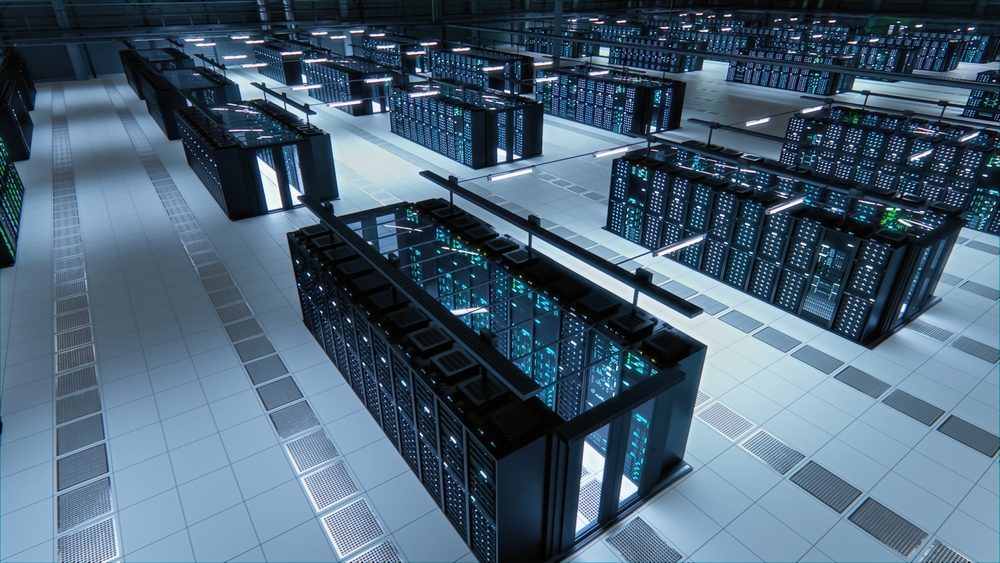
Behind every cloud service, streaming platform, or banking transaction sits a data centre quietly doing its job. Thousands of servers run nonstop, processing enormous volumes of data every second. That constant activity generates heat. Lots of it.
Without the right cooling infrastructure, temperatures can climb quickly, threatening both performance and hardware reliability. In extreme cases, overheating can trigger system failures that ripple across networks and services people rely on every day.
This is where specialised HVAC systems come in. Data centre cooling is not simply about keeping a room comfortable. It is about maintaining extremely stable environmental conditions around equipment that must run continuously. Precision and reliability are everything. Even a small fluctuation can have consequences.
Modern data centre HVAC systems therefore revolve around two core ideas: precision cooling and redundancy. One ensures the environment stays perfectly controlled. The other ensures that if something fails, another system steps in instantly.
Data centre HVAC systems: it’s all about control
Precision cooling in a data centre means maintaining tightly controlled temperature and humidity levels specifically for electronic equipment rather than human comfort. Redundancy ensures that cooling never stops, even if individual components fail.
Servers are remarkably powerful machines, but they are also sensitive to environmental changes. Excess heat can reduce performance, shorten equipment lifespan, or cause sudden shutdowns. Too much humidity can lead to condensation, while overly dry air can increase the risk of static electricity.
Precision cooling systems are designed to prevent those issues by constantly monitoring and adjusting environmental conditions. Instead of reacting slowly, as standard building HVAC systems do, they respond quickly and operate continuously.
Redundancy adds another layer of protection. Data centres rarely rely on a single cooling system. Instead, they are designed with backup units and alternative cooling pathways. If one component stops working, another automatically takes over. For organisations that depend on uninterrupted digital services, this reliability is essential.
What makes data centre cooling different from traditional HVAC?
Data centre cooling systems operate under conditions very different from those in offices, retail spaces, or residential buildings.
Constant cooling requirements
Traditional HVAC systems cycle on and off depending on building occupancy and weather conditions. Data centres, however, require cooling 24 hours a day, 365 days a year. Servers run continuously, which means the cooling system must operate at all times to maintain stable environmental conditions.
High heat loads
Modern data centres house dense racks of servers that generate large amounts of heat within a relatively small footprint. High-performance processors, storage arrays, and networking equipment can generate heat levels far exceeding those in typical commercial spaces.
Cooling systems must therefore remove heat efficiently and distribute cool air evenly throughout the facility.
Strict humidity control
Humidity plays a critical role in protecting sensitive electronic components. Excess moisture can cause corrosion, while air that is too dry increases the risk of static electricity.
Precision HVAC systems maintain humidity levels within strict limits to prevent damage and ensure consistent equipment performance.
Precision cooling technologies used in data centres
Modern data centres rely on a variety of precision cooling technologies to manage heat loads effectively. Each system is designed to address specific operational requirements.
CRAC units (computer room air conditioning)
CRAC units function similarly to traditional air conditioners but are specifically engineered for data centre environments. They use refrigeration cycles to cool air before distributing it throughout the server room.
CRAC systems are commonly used in smaller facilities or legacy environments where air-based cooling remains the primary method of temperature control.
CRAH systems (computer room air handlers)
CRAH systems operate using chilled water rather than direct refrigeration. These units draw warm air from the data centre, pass it through chilled water coils, and then redistribute cooled air back into the room.
Because they rely on centralised chilled water systems, CRAH units are often used in larger data centres where efficiency and scalability are key priorities.
Liquid cooling
As server densities continue to increase, liquid cooling has become an increasingly attractive solution. Liquid absorbs heat far more efficiently than air, allowing high-performance computing equipment to operate at higher capacities without overheating.
Liquid cooling solutions are particularly valuable for advanced workloads such as artificial intelligence processing, high-performance computing, and large-scale data analytics.
In-row cooling systems
In-row cooling systems are positioned directly between server racks, bringing cooling capacity closer to the heat source. This design improves airflow efficiency and reduces the distance that cool air must travel.
By cooling equipment at the source, in-row systems help prevent hot spots and support higher rack densities.
The importance of redundancy and backup cooling
Redundancy is essential in data centre design because cooling system failure can quickly lead to overheating. Redundant infrastructure ensures that backup systems can maintain stable conditions even if one component fails.
N+1 redundancy
In an N+1 configuration, the data centre installs one additional cooling unit beyond what is required for normal operation.
For example, if a facility requires five cooling units to operate effectively, a sixth unit is added as a backup. If one unit fails, the remaining units can continue supporting the load.
2N redundancy
A 2N configuration provides a fully duplicated system. Essentially, the entire cooling infrastructure is mirrored so that if the primary system fails, a second identical system immediately takes over.
This approach is common in high-availability environments where uptime requirements are extremely strict.
Backup cooling systems
Many data centres also deploy additional backup strategies such as standby chillers, secondary power sources, or emergency cooling systems. These safeguards ensure that cooling continues even during equipment failure or power disruptions.
Together, these redundancy strategies provide the resilience needed to maintain uninterrupted data centre operations.
Energy efficiency in modern data centre HVAC systems
As data centres grow in size and complexity, improving energy efficiency has become a major priority. Cooling systems account for a significant portion of a data centre’s total energy consumption, so optimising performance can yield substantial savings.
Hot aisle containment
Hot aisle containment separates hot and cold airflow within the data centre. By preventing hot air from mixing with cooled air, the system improves cooling efficiency and reduces the amount of energy required to maintain optimal temperatures.
Free cooling
Free cooling uses naturally cool outside air or water sources to reduce reliance on mechanical refrigeration. In suitable climates, this approach can significantly reduce energy consumption while maintaining proper operating conditions.
Advanced monitoring systems
Modern HVAC systems often incorporate advanced monitoring technologies that track temperature, humidity, airflow, and equipment performance in real time.
These systems allow operators to adjust cooling strategies dynamically, improving efficiency while ensuring consistent environmental conditions.
FAQs about HVAC systems for data centres
What temperature should a data centre be maintained at?
Most data centres maintain temperatures between 18°C and 27°C (64°F to 80°F), depending on equipment specifications and operational guidelines.
What is the difference between CRAC and CRAH units?
CRAC units use refrigeration systems to cool air directly, while CRAH systems rely on chilled water supplied by a central plant to remove heat from the air.
Why is redundancy important in data centre cooling?
Redundancy ensures that backup cooling systems can maintain proper environmental conditions if a primary unit fails, preventing downtime or equipment damage.
How do data centres reduce cooling energy consumption?
Strategies such as hot aisle containment, free cooling, efficient airflow management, and advanced monitoring systems help reduce the energy required to maintain optimal temperatures.
About Daikin
Daikin develops advanced HVAC solutions designed to support mission-critical environments, including modern data centres. With a focus on reliability, energy efficiency, and precise environmental control, Daikin systems help operators maintain the stable conditions required for high-performance computing infrastructure.
By combining precision cooling technologies with intelligent system design, Daikin solutions help data centres maintain uptime while optimising energy use. These systems are engineered to meet the demanding requirements of facilities where continuous operation and environmental stability are essential.