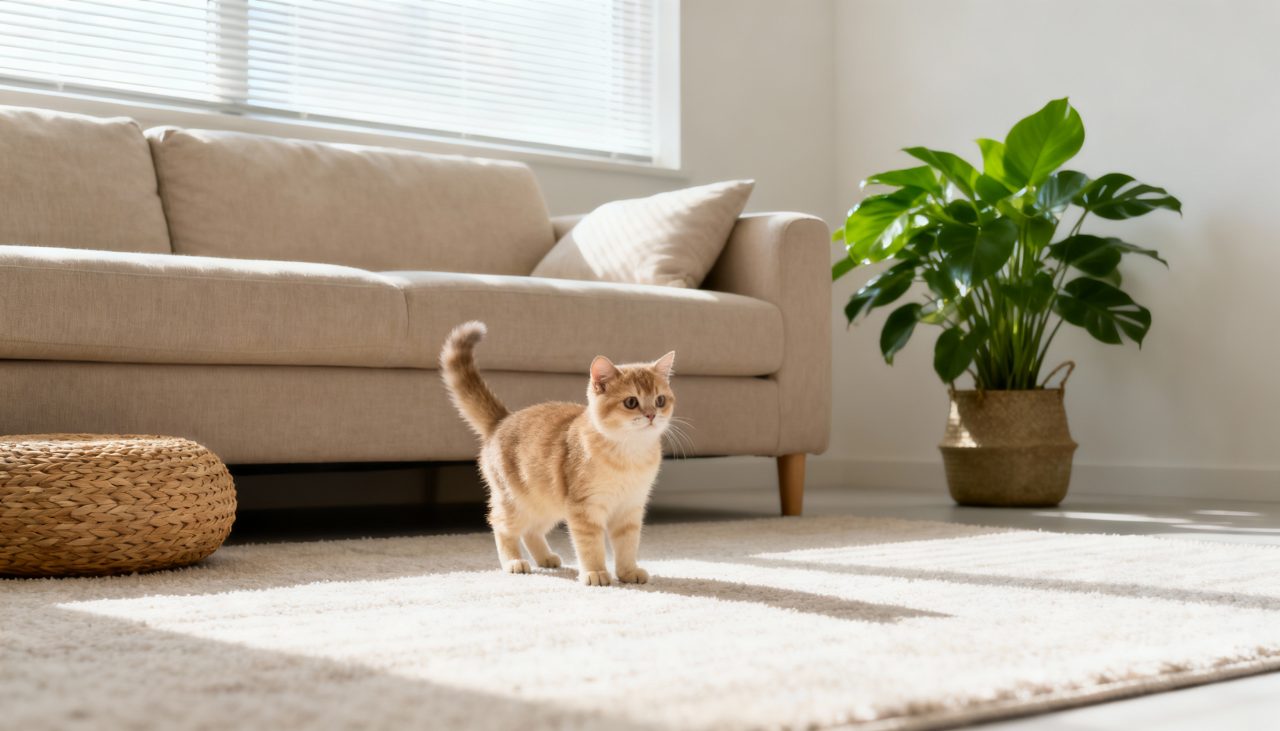
Ownership of pets in the UAE has surged by 30% since the pandemic. They add a lot of joy to people’s lives but they do introduce challenges when it comes to the indoor air we breathe. The good news is that there is plenty you can do to ensure you can enjoy having pets in your house while also keeping your environment as healthy and comfortable as possible.
When it comes to air quality and pets, the main issue is shedding hair and dander (tiny skin flakes) which can become airborne and then settle on surfaces around the house. Dander is a particular problem as it can trigger allergies, while hair traps dust and other pollutants. Beyond the actual quality of the air you breathe is the issue of bad smells. This comes from the natural oils present on their skin, their fur after outdoor walks, as well as their litter boxes if kept inside the house.
In addition, you need to be aware of what your pets are bringing in from outdoors. This could include soil, pollen, mould spores, and bacteria on their feet and bodies, all of which will add to the indoor air pollution.
So in this article, we are going to address all of these issues and look at ways of dealing with indoor air quality for those who keep pets in their home. Our experts at Daikin have been pioneering in HVAC solutions since our company was founded in 1924 and today we have over 100,000 employees around the world who are committed to providing high-efficiency systems across residential, commercial, and industrial.
Common indoor air issues caused by pets
One of the most common issues is pet dander which is particularly difficult to deal with as the particles are very small and can stay suspended in the air for extended periods. Often, those who suffer from allergies will experience symptoms like sneezing or itchy eyes but it can even extend to those who don’t have diagnosed allergies but find themselves experience some level of discomfort.
The second issue is dust because both pet hair and dander allow dust to accumulate more quickly on furniture and other surfaces. The third problem is odors which may come from bedding, litter, food, or the pets themselves. This is where ventilation is so important and, along with regular cleaning, these smells can be stopped becoming embedded in carpets and upholstery.
Finally, there is bacteria and contaminants which pets bring in from the outdoors. These build up in carpets and HVAC systems and in turn create poor air quality and can contribute to respiratory discomfort.
How to improve indoor air quality when you have pets
Let’s now look at how you can enhance indoor air quality when you have a pet in the house:
Use HEPA filters: High-efficiency particulate air (also known as HEPA) filters can capture very small particles. When you use this kind of filter in your air purifier or vacuum cleaner you can reduce airborne allergens.
Maintenance: Regularly maintaining your HVAC system is very important, including changing filters as well as cleaning ducts and vents to create better flow and reduce the circulation of dust and dander.
Groom pets frequently: Bathing and brushing your pet regularly helps to reduce shedding and minimise the amount of hair and dander in the home. Doing small things like wiping a pet’s paws after being outdoors also helps keep pollutants out of the home.
Air purifiers: Air purifiers that have HEPA filtration improve air quality and when positioned correctly can help capture dander and dust.
Cleaning: Vacuuming and laundering pet bedding, as well as wiping down hard surfaces, will all help reduce allergens. It’s also important to wash blankets and toys to prevent odors and reduce bacteria.
Benefits of maintaining clean indoor air in pet-friendly homes
Let’s now look at some of the key benefits of keeping clean indoor air in a home where there are pets.
Reducing allergy symptoms is obviously one of the most important and when you have clean indoor air the positive changes are immediate and quite noticeable. Once you have fewer irritants in your home, the occupants will be able to breathe more comfortably.
It also enhances the overall living environment with your home feeling cleaner and more comfortable. This isn’t just good for people, but also for the pets themselves which can also be sensitive to dust and pollutants. This contributes to better wellbeing for the entire household.
Frequently asked questions
Does pet dander affect people with no allergies?
Yes. Even if you don’t have an actual diagnosed allergy, pet dander can cause irritation.
Can air purifiers remove pet odors and dander?
Air purifiers equipped with HEPA filters can remove dander, while activated carbon filters help reduce odors. When you’re making your choice, go for a purifier that is designed for households specifically with pets.
How often should pet owners replace HVAC filters?
In homes with pets, HVAC filters will need replacing every one to three months. This time frame depends on how much the pets are shedding.
Do certain pets cause fewer air quality issues than others?
Yes. Animals that shed less tend to contribute fewer airborne particles. However, all pets produce some level of dander and odor.
About Daikin
Maintaining good indoor air quality is especially important in homes with pets, where hair, dander, and odors can easily accumulate and then circulate. Consistent upkeep of your HVAC system helps limit this problem and support healthier airflow, and ensures the system operates efficiently. This not only enhances daily comfort but also helps keep energy usage under control while prolonging the lifespan of the equipment.
Daikin is a global HVAC leader recognised for designing advanced systems that promote superior indoor air quality and long-term sustainability. With more than a century of innovation and a strong commitment to environmental responsibility, Daikin offers homeowners reliable solutions from air purifiers to HVAC systems that help maintain cleaner, fresher air.