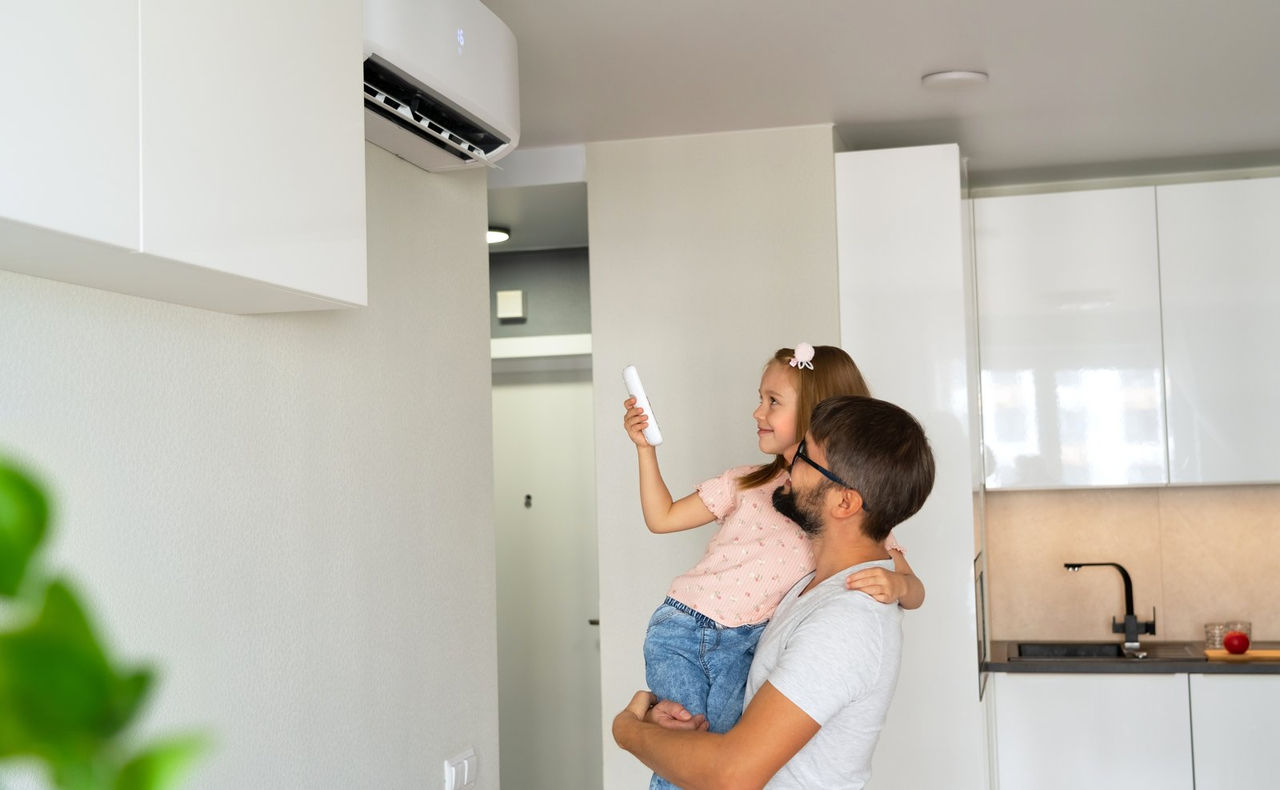
Indoor air quality (abbreviated to IAQ) is the condition of the air inside a building. It plays a central role in the health and comfort of the people who live or work within the building and has a real impact on daily life in a way that is often underestimated.
Studies have shown that most people spend up to 90% of their time indoors, whether that’s at home or at work – as well as in school, going to shops and so on. The problems is that while we widely discuss and regulate outdoor air, often indoor air quality goes overlooked. This is because the problems associated with it can be invisible. It’s not just about how up-to-date a building is either, in fact poor IAQ can exist even in modern and well-maintained buildings.
Poor indoor air quality is usually unnoticed until people complain of discomfort or health symptoms start to arise. So it’s a problem that you need to get ahead of, and understanding why indoor air quality matters is the first step towards that.
So in this article, we will look at how to use HVAC systems to create healthier and more productive indoor environments, we will also discuss common indoor air pollutants, the health and comfort impacts of poor indoor air quality, and how HVAC systems improve indoor air quality. So let’s get started.
Contact Daikin today
Why indoor air quality matters
Good indoor air quality is important both for comfort in the short term as well as long-term health. When an indoor environment has clean and well-balanced air it helps occupants feel more alert and comfortable through the day and reduces physical stress on the body.
When there is poor IAQ it can irritate the respiratory system and make existing conditions (including asthma and allergies) worsen. Then if exposed to IAQ for prolonged periods of time it may contribute to more serious health concerns. This is particularly important for children as well as those who have weakened immune systems.
Indoor air quality has a real impact on productivity and performance in the workplace. Stale air with excess carbon dioxide or airborne pollutants can actually reduce our powers of concentration. It can also lead to more frequent sick days. So the stakes are high when it comes to ensuring you have good IAQ in work environments. Meanwhile, in the home it can affect sleep quality and overall quality of life.
Common indoor air pollutants
There are a wide range of pollutants which can be found in indoor air which may come from everyday activities. Dust and particulate matter are most common. These include fine particles from outdoor air, skin cells, textiles and household debris. In addition, allergens like pollen and dust mites are often present alongside dust.
Mold spores are a significant concern given how toxic mold build-up can be. It is found most commonly in humid environments or areas with poor ventilation. Mold is able to grow on walls, ceilings, and on carpets – even inside HVAC systems if moisture is not properly controlled.
Then there are volatile organic compounds (VOCs) which are gases released from paints, cleaning agents, adhesives, furniture and building materials. Even at low concentrations, VOCs have the potential to irritate the eyes, nose and throat.
Finally, bacteria and viruses can also circulate in indoor air, often if the space is crowded or poorly ventilated. These microorganisms can stay airborne and increase the risk of illness transmission.
Health and comfort impacts of poor indoor air quality
The effects of poor indoor air quality range from mild discomfort at one end to more persistent health problems at the other.
On top of a general sense of discomfort, common symptoms seen in the short term include headaches, dizziness, dry eyes, nasal congestion and throat irritation. Some people also report fatigue and difficulty in concentrating.
For those who suffer from allergies or asthma, polluted indoor air can trigger a flare up which can lead to coughing and shortness of breath. If a person with a chronic respiratory condition is exposed over a long period of time to mold or chemical pollutants they may find their condition worsens.
Sleep quality is another overlooked factor. When the air is contaminated, or too humid/dry, it can impact a person’s ability to get a good night’s rest.
So over time, poor IAQ can reduce overall wellbeing and negatively affect a person’s quality of life. In turn, this can increase healthcare costs. Clearly, then, it’s a critical issue rather than just a minor comfort concern.
How HVAC systems improve indoor air quality
The solution to remedying poor IAQ is an HVAC system. When properly designed, installed and maintained, these can play a major role in ensuring you have good indoor air quality.
One of the key ways HVAC systems improve IAQ is through filtration. HVAC systems use air filters to capture dust, pollen, mold spores and other airborne particles. This stops them circulating through indoor spaces and significantly reduces allergen levels.
Ventilation also ensures a regular supply of fresh outdoor air. By replacing stale and contaminated indoor air with fresh air, it helps dilute indoor pollutants and control carbon dioxide levels.
Excess humidity means mold growth but at the same time when air is too dry it can irritate the skin and respiratory system. So HVAC systems can help by maintaining the right humidity levels (usually between 40 and 60%) for comfort and health.
When air is circulating well it means you are getting even distribution of clean, conditioned air throughout a building and stopping the creation of stagnant zones which give pollutants the chance to accumulate.
When taken all together, these functions make HVAC systems a cornerstone of effective indoor air quality management.
FAQs about indoor air quality
What are the signs of poor indoor air quality?
Persistent headaches, allergies that worsen indoors, fatigue, unpleasant odors, mold growth, excessive dust, and difficulty concentrating or sleeping.
How can I test indoor air quality at home?
Indoor air quality can be assessed using professional IAQ inspections or consumer-grade monitors that measure particulate matter, VOCs, humidity and carbon dioxide levels.
Can HVAC systems remove indoor air pollutants?
Yes. HVAC systems equipped with effective filtration, ventilation and humidity control can significantly reduce many indoor air pollutants. Regular maintenance is important for best performance.
How often should air filters be replaced to maintain good IAQ?
Most residential air filters should be replaced every one to three months, depending on how much they are being used, the type of filter, and the specific indoor conditions. Whether occupants have allergies or pets are factors also to be taken into consideration.
About Daikin
Daikin continues to set industry benchmarks for efficient, dependable HVAC solutions. We are committed to improving indoor air quality through advanced HVAC technologies that prioritise cleaner air and energy efficiency. By integrating filtration, humidity control and intelligent ventilation, Daikin systems support healthier indoor environments across homes, offices and commercial spaces.