HVAC zoning is a method for controlling cooling in different parts of a home separately, rather than treating the whole house as a single space. It’s often used in homes where some rooms stay warm while others cool quickly, even when the same system is running.
This usually happens because heat doesn’t build up evenly. Upper floors warm faster, rooms with large windows hold more heat, and unused spaces don’t need the same level of cooling as busy living areas. Zoning is designed to address these differences by directing cooling where it’s needed, rather than maintaining the same temperature everywhere.
HVAC zoning systems explained: How to cool different rooms independently
HVAC zoning systems work by determining where cooled air actually goes, rather than sending the same airflow to every room. The system relies on thermostats in different areas of the home and a central control panel that manages airflow behind the scenes.
Each zone has its own thermostat that tracks the temperature in that space. When one area needs cooling, the control panel responds by adjusting small motorised dampers inside the ductwork. These dampers open to allow cool air into rooms that need it and close off airflow to areas that have already reached the desired temperature.
In everyday use, this means the system responds to real conditions rather than averaging the entire house. Rooms that heat up quickly receive more cooling, while cooler or unused areas are not over-served. The main HVAC unit still does the cooling, but zoning changes how that cooling is shared throughout the home.
How HVAC zoning systems work
HVAC zoning systems work by controlling how cooled air is delivered to different areas of the home. The system relies on a combination of thermostats, motorised dampers, and a central zoning control panel that communicates with the main HVAC unit.
Each zone has its own thermostat that monitors the temperature in that specific area. When cooling is needed, the thermostat sends a signal to the zoning control panel. The panel then opens or closes motorised dampers inside the ductwork, directing cooled air only to the zones that require it. Areas that have already reached their set temperature receive less or no airflow.
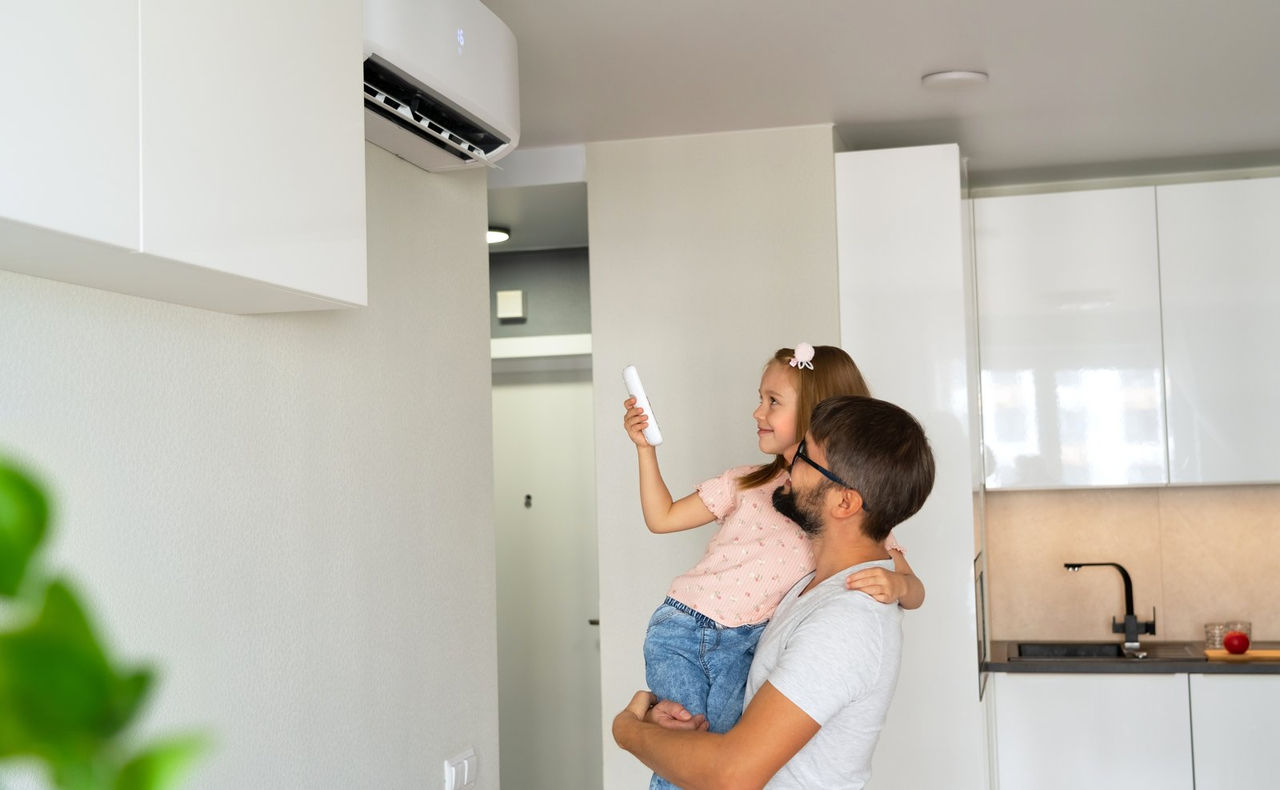
In systems that use smart controls or ductless technology, zoning can be managed digitally rather than through physical dampers. Regardless of the approach, the goal remains the same: deliver cooling where it is needed without wasting energy on unused spaces.
Benefits of HVAC zoning systems
Improved comfort across the home
HVAC zoning improves comfort by addressing temperature differences between rooms and floors. Each zone responds to its own conditions, helping eliminate hot spots, cold areas, and uneven airflow.
This is especially noticeable in homes where upstairs rooms heat up faster or rooms with large windows experience higher solar gain.
Reduced energy waste
Zoning reduces energy waste by avoiding unnecessary cooling in unused or low-occupancy areas. Instead of cooling the entire home to satisfy one warm room, the system focuses only on zones that need attention.
Over time, this targeted approach helps limit excessive runtime and reduces strain on HVAC equipment.
Lower cooling costs
By reducing wasted cooling, HVAC zoning systems can contribute to lower energy bills. When the system runs more efficiently and avoids overcooling certain areas, overall power consumption drops.
Savings are often more noticeable in larger homes or properties where cooling demand varies significantly between rooms.
Better temperature control in multi-room and multi-storey homes
Zoning provides more precise temperature control in homes with multiple floors or diverse layouts. Separate zones allow homeowners to fine-tune comfort without relying on a single thermostat that may not reflect real conditions throughout the house.
This level of control makes day-to-day temperature management simpler and more predictable.
Types of HVAC zoning systems
Ducted zoning systems with motorised dampers
Ducted zoning systems use motorised dampers installed inside the ductwork to control airflow to different zones. These dampers open and close in response to signals from zone thermostats and the central control panel.
This approach works well in homes with existing ducted HVAC systems and allows multiple zones to be managed from one central unit.
Smart thermostat–based zoning
Smart thermostat zoning relies on connected thermostats and sensors to manage temperature across different rooms. These systems use software and automation to balance airflow and adjust cooling schedules.
While physical dampers may still be used, smart zoning focuses on intelligent control and real-time adjustments based on occupancy and usage patterns.
Ductless mini-split zoning systems
Ductless mini-split systems naturally support zoning because each indoor unit operates independently. Rooms or areas can be cooled individually without shared ductwork.
This option is popular for additions, renovations, or homes where duct installation is impractical, offering flexible zoning with minimal structural changes.
Is HVAC zoning right for your home?
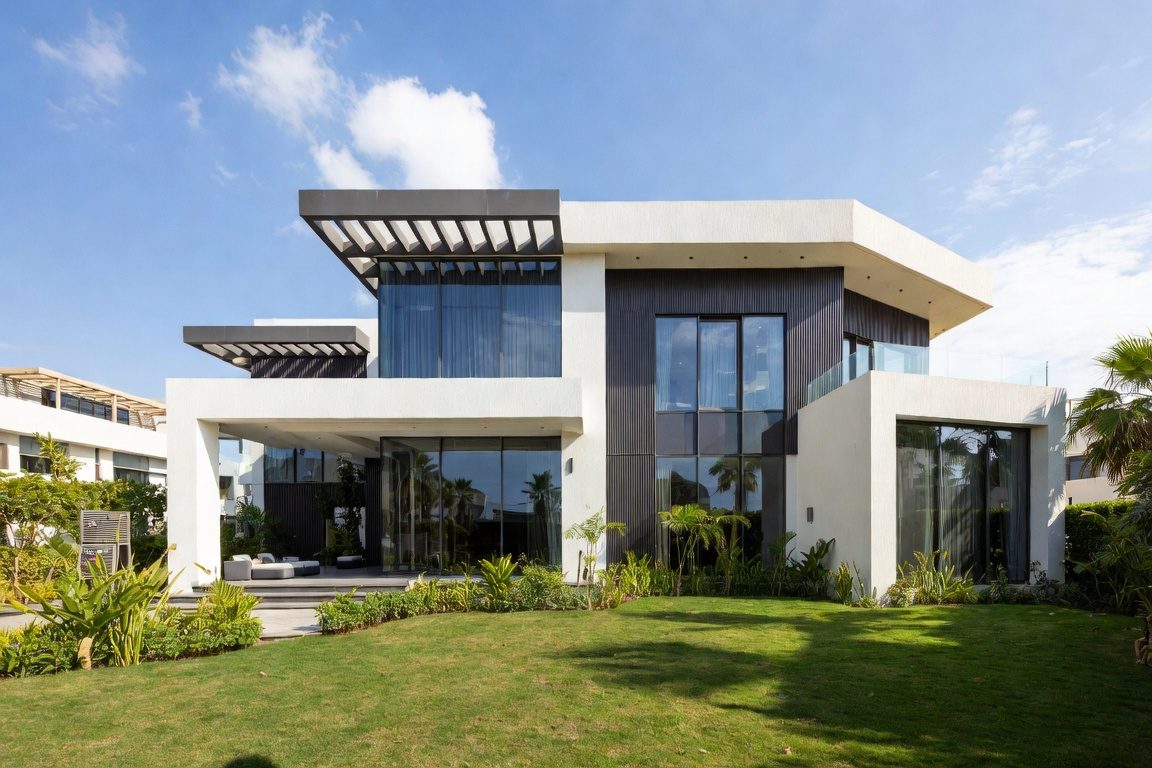
HVAC zoning is particularly beneficial for homes where temperature differences are noticeable or difficult to manage. Large homes, villas, and multi-storey properties often experience uneven cooling due to layout and heat distribution.
Homes with varying room usage patterns also benefit from zoning. Spaces such as guest rooms, home offices, or upper floors may not need constant cooling. Zoning allows these areas to be adjusted independently, improving comfort while avoiding unnecessary energy use.
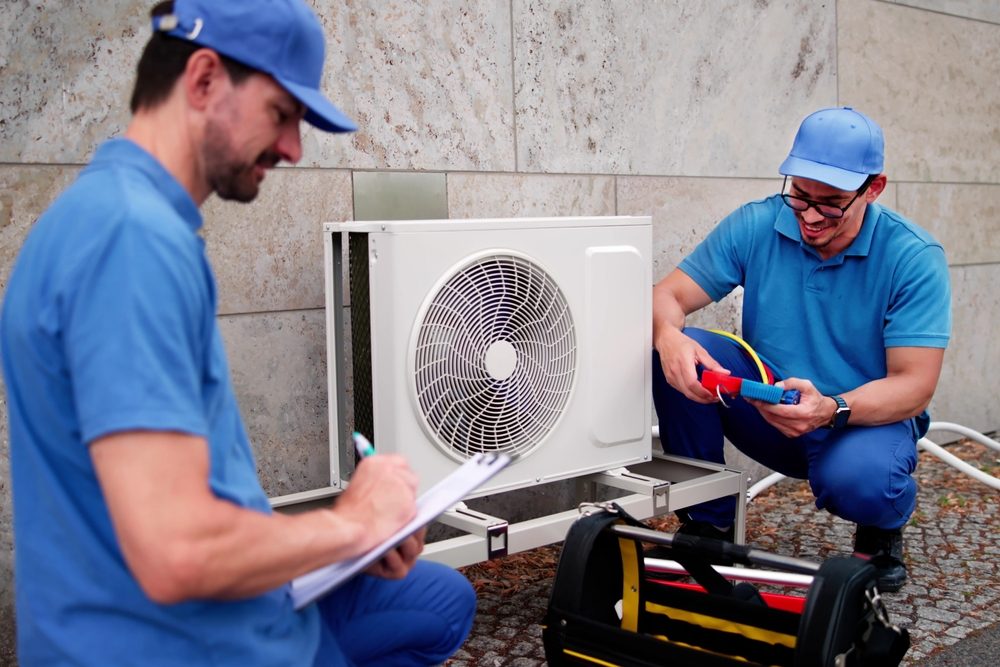
A professional assessment can help determine whether zoning is suitable for a specific home and which system type would offer the most practical benefits.
FAQs about HVAC zoning systems
How many zones can one HVAC system support?
The number of zones depends on the system design and equipment capacity. Most residential systems support between two and eight zones, though larger setups may allow more.
Can HVAC zoning be added to an existing system?
HVAC zoning can often be added to existing ducted systems with the right modifications. A professional evaluation is needed to confirm compatibility and design requirements.
Does HVAC zoning really reduce energy bills?
HVAC zoning can reduce energy bills by limiting cooling to occupied areas only. Results vary based on home size, usage patterns, and system efficiency.
Does zoning increase HVAC maintenance requirements?
Zoning does not significantly increase maintenance when systems are installed correctly. Routine servicing ensures dampers, controls, and thermostats continue to operate smoothly.
About Daikin
Daikin is a global leader in heating, ventilation, air conditioning, and indoor air quality solutions, employing over 90,000 people worldwide across manufacturing, engineering, research, and service operations. This global expertise supports the development of advanced HVAC systems designed for comfort, efficiency, and long-term reliability.
Daikin offers HVAC solutions that support zoning, smart controls, and energy-efficient cooling for modern homes. Systems are designed to integrate zoning technologies seamlessly, helping homeowners achieve consistent comfort across multiple rooms while managing energy use effectively.
To learn more about zoning solutions or discuss the right system for your home, readers are encouraged to contact Daikin’s team for professional guidance and support.